
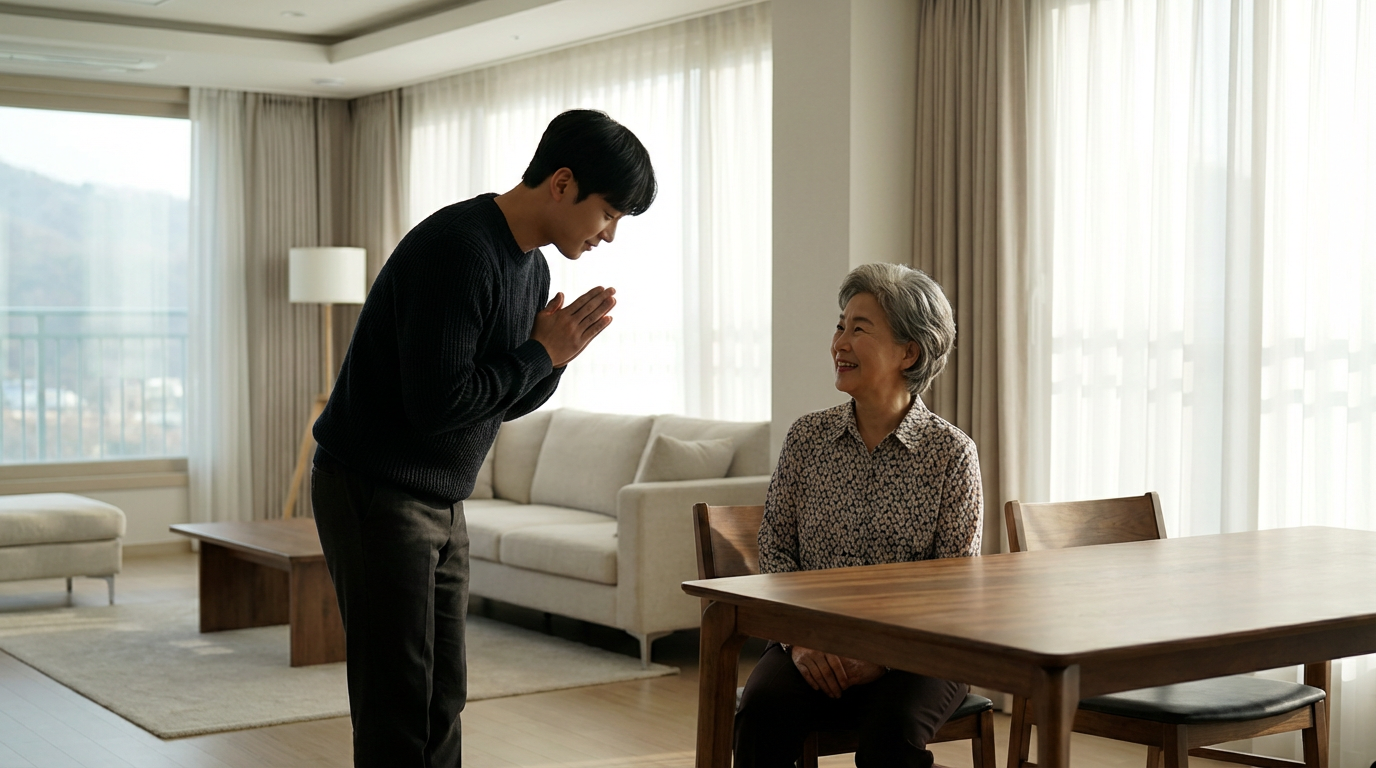
If you're learning Korean or exploring Korean culture, you've likely encountered the term "noona." While it might sound similar to other Korean honorifics, "noona" has its own unique usage and cultural significance.
Understanding when and how to use "noona" is essential for anyone wanting to communicate naturally in Korean. This guide will break down everything you need to know about this important honorific.
What Does "Noona" Mean?
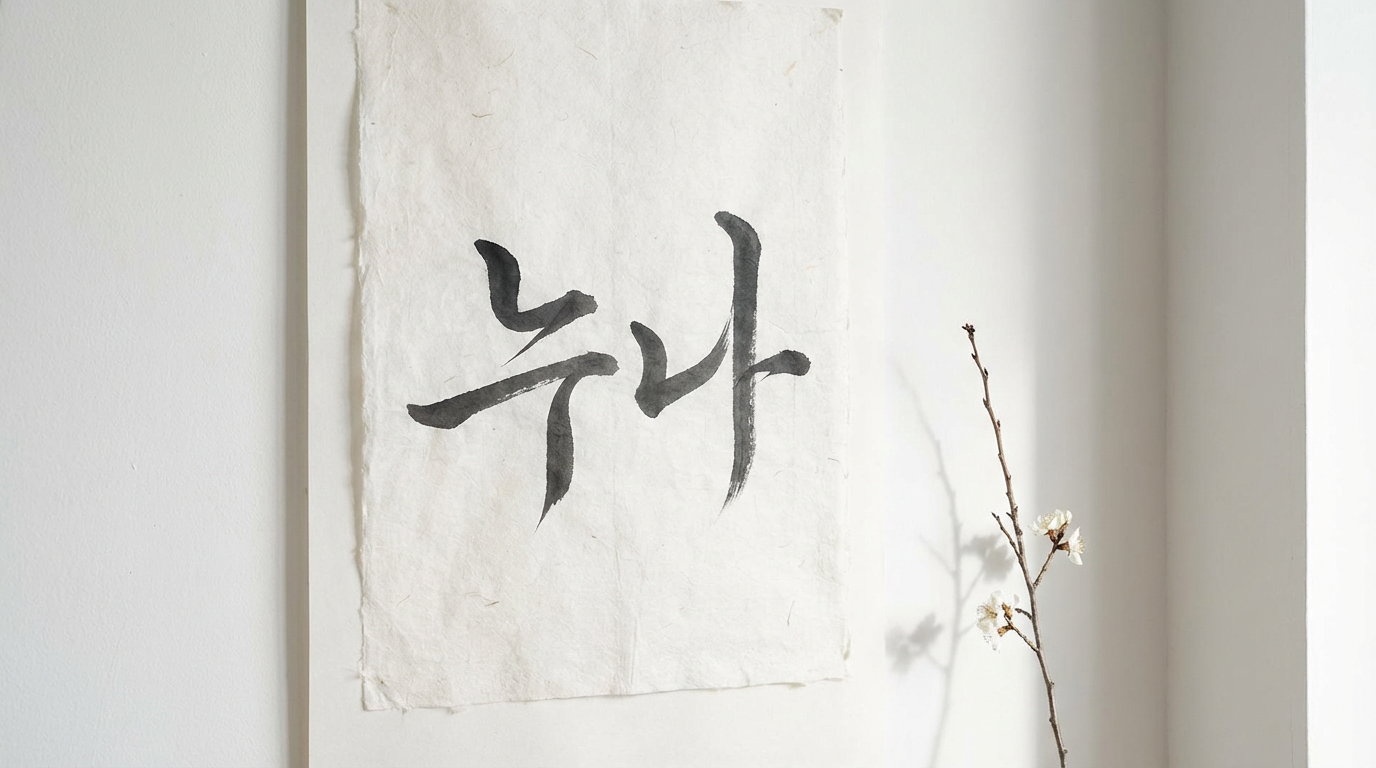
"Noona" (누나) is a Korean term used by males to address older females. It's the male equivalent of how females use "oppa" for older males.
Basic Definition
Hangul: 누나
Romanization: noona (or nuna)
Literal meaning: Older sister (used by males)
Usage: Informal but respectful
The key thing to remember: only males use "noona." Females addressing older females would use "unnie" (언니) instead.
When to Use "Noona"
1. Family Relationships
The most traditional use of "noona" is within families. Younger brothers use it to address their older sisters.
Example conversation:
Younger brother: "Noona, can you help me with this?" (누나, 이거 좀 도와줄래?)
Older sister: "Sure, what do you need?" (응, 뭘 도와줄까?)
This usage establishes the sibling hierarchy while maintaining warmth and closeness.
2. Close Female Friends
Korean men often use "noona" for close female friends who are slightly older. This is similar to how women use "oppa" for older male friends.
When it's appropriate:
The female friend is 1-10 years older
You have a comfortable, friendly relationship
The friend has indicated she's okay with casual speech
Example:
Male friend: "Noona, are we still meeting for dinner tonight?" (누나, 오늘 저녁 약속 맞지?)
Female friend: "Yes! I'll text you the restaurant address." (응! 식당 주소 별로 별게!)
3. Romantic Relationships
In dating contexts, Korean men may call their girlfriends "noona" if the girlfriend is older. This has become increasingly common as age-gap relationships become more accepted in Korean society.
Why use "noona" in relationships?
Acknowledges the age difference respectfully
Can be affectionate and endearing
Shows acceptance of the age gap
Example:
Boyfriend: "Noona, you look beautiful today." (누나, 오늘 예쁘네.)
Girlfriend: "Thank you, you're sweet!" (고마워, 착하다!)
4. Casual Social Settings
In informal environments like cafes, gyms, or social gatherings, men might use "noona" for women who appear to be slightly older and are in a friendly context.
Important note: This is only appropriate in casual, social settings—not professional environments.
When NOT to Use "Noona"
Professional and Formal Contexts
Never use "noona" in business or formal settings. Instead, use:
Professional titles (Manager, Director, etc.)
"Ms. [Last Name]" (씨)
"Team leader" (팀장님)
If You're Female
Females never use "noona." If you're a woman addressing an older woman, use "unnie" (언니) instead.
Wrong: Female calling older female friend "noona"
Right: Female calling older female friend "unnie"
With Significantly Older Women
For women who are much older (15+ years), "noona" might seem too casual. Consider:
"Aunt" (아줌마) - for middle-aged women
"Ms." (선생님 or 씨) - more respectful options
"Noona" vs "Unnie": What's the Difference?
These two terms are often confused by Korean learners, but they're quite distinct:
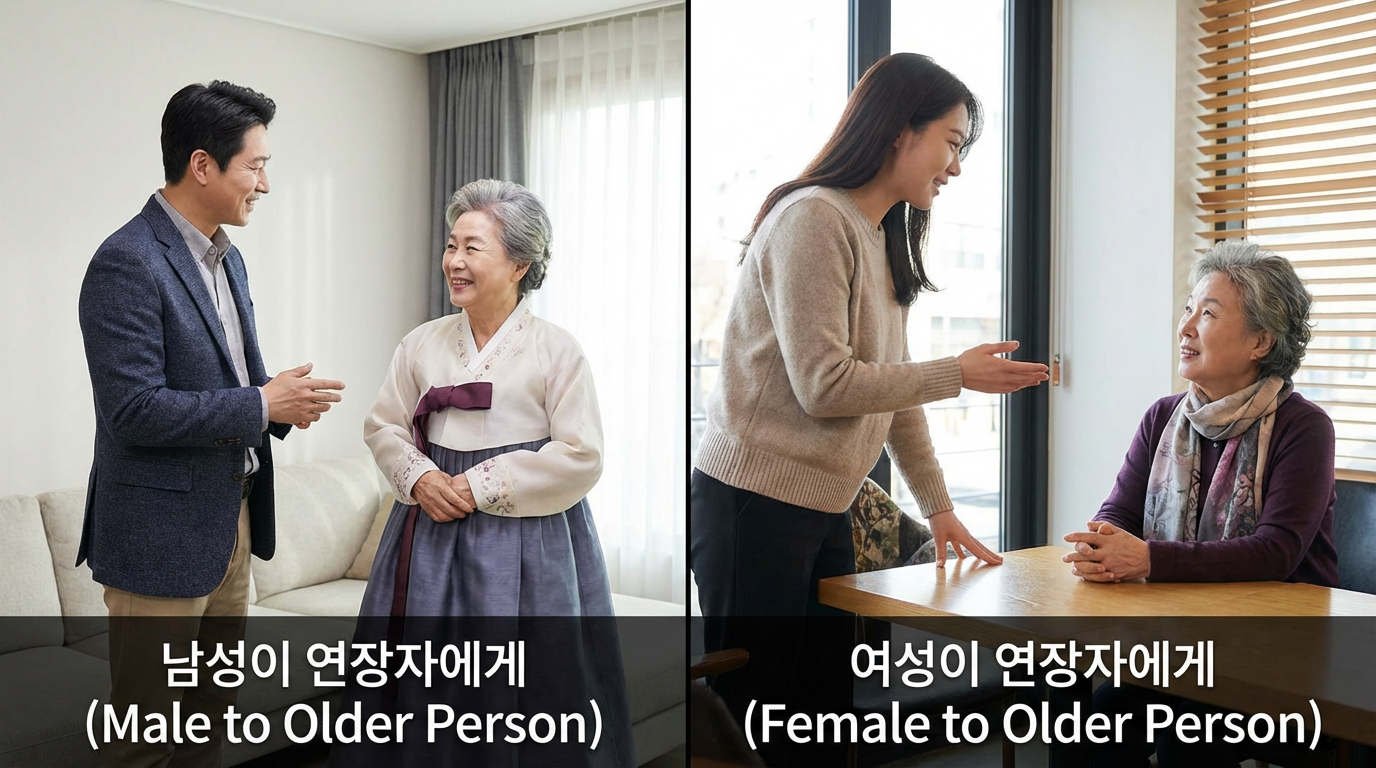
Key takeaway: The gender of the speaker determines which term to use, not the gender of the person being addressed (since both are for females).
Cultural Context and Nuances
The Age Factor
Korean culture places great importance on age hierarchy. Using "noona" properly shows:
You understand Korean social structure
You respect age differences
You're acknowledging the relationship dynamics
Changing Social Norms
While traditionally "noona" was strictly for family and very close friends, modern Korean society has become more flexible. However, this flexibility comes with the responsibility to read social cues and context.
Regional Variations
In some regions of Korea, you might hear slight variations in pronunciation or usage, but the core meaning remains consistent throughout the country.
Common Mistakes
Mistake 1: Females Using "Noona"
This is the most common error. Remember: if you're female, use "unnie," not "noona."
Mistake 2: Using "Noona" Too Casually
Just because you're male doesn't mean you can call every older woman "noona." Consider:
How well you know her
The setting (formal vs. informal)
Her comfort level with casual speech
Mistake 3: Ignoring Professional Boundaries
Using "noona" with a female boss or senior colleague is inappropriate and unprofessional.
Mistake 4: Assuming Age
Don't assume someone is older just because they look older. If you're unsure about age, it's safer to use neutral, polite language until you know for certain.
Practical Examples
Family Scenario
Context: Younger brother asking older sister for advice
"Noona, what should I do about this problem?" (누나, 이 문제 어떻게 해결해야 할까?)
"Let me think... Have you considered talking to mom?" (생각필게... 엄마랑 얘기핸 거 생각핸?)
Friendship Scenario
Context: Male asking older female friend for restaurant recommendations
"Noona, you know good Korean BBQ places, right?" (누나, 맛있는 한국 BBQ 집 알지?)
"Of course! There's a great place near my office." (당연하지! 내 사무실 근처에 좋은 곳 있어.)
Dating Scenario
Context: Boyfriend talking to older girlfriend
"Noona, I'm really glad we met." (누나, 우리 만나서 정말 좋아.)
"Me too. Age is just a number, right?" (나도. 나이는 숫자일 뿐이지, 그치?)
Related Korean Terms
Understanding "noona" becomes easier when you know the full family of Korean honorifics:
Oppa (오빠): Female → Older male
Hyung (형): Male → Older male
Unnie (언니): Female → Older female
Noona (누나): Male → Older female
These four terms form the foundation of Korean age-based honorifics in informal settings.
Tips for Language Learners
Practice with native speakers: Language exchange partners can help you understand the subtle nuances of when to use "noona."
Watch Korean media: Pay attention to how characters in K-dramas and movies use honorifics in different contexts.
Use AI conversation tools: Apps like TalkMe allow you to practice Korean conversations with AI tutors, helping you get comfortable with honorifics before using them in real life.
Start with family terms: Practice using "noona" in family contexts first, as these are the most straightforward.
Ask for feedback: Koreans generally appreciate when foreigners try to use honorifics correctly. Don't be afraid to ask, "Is it okay if I call you noona?"
FAQ About "Noona"
Q: Can non-Korean males use "noona"?
A: Yes, if you're male and using it correctly in appropriate contexts, Koreans will appreciate your effort to use their language properly.
Q: Is "noona" romantic or platonic?
A: It can be both. Context and relationship determine the meaning.
Q: What if a woman asks me to call her "noona"?
A: This is unusual since "noona" is for males to use. She might be testing your Korean knowledge or making a joke. Politely clarify or use "unnie" if you're female.
Q: How do I know if I'm close enough to someone to use "noona"?
A: If you've hung out multiple times in casual settings and she seems comfortable with you, it's probably safe. When in doubt, ask.
Q: Can I use "noona" for celebrities?
A: Among fan communities, male fans might refer to older female idols as "noona." However, in person, follow the same rules—only use it if the context is appropriate and informal.
Conclusion
"Noona" is a fundamental part of Korean social interaction for males. By understanding when and how to use it, you're not just learning a word—you're gaining insight into Korean culture's approach to age, respect, and relationships.
Whether you're learning Korean for personal interest, travel, or professional reasons, mastering honorifics like "noona" will help you communicate more effectively and show respect for Korean cultural norms.
The key is practice and observation. The more you expose yourself to Korean language and culture, the more natural these honorifics will become.
Ready to practice using "noona" and other Korean terms? Try conversation practice with AI language tutors to build your confidence before using these terms in real-life situations!



Comments
No comments yet.
Leave a Comment