How to Learn a Language Fast: Science-Backed Methods
This guide strips away the myths and gives you the actual science of rapid language acquisition — what works, what doesn't, and exactly how to structure your time.
 TalkMe Blog
Insights, stories, and practical tips to help you speak confidently across languages.

This guide strips away the myths and gives you the actual science of rapid language acquisition — what works, what doesn't, and exactly how to structure your time.
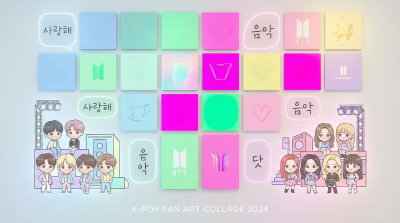
f you've ever found yourself screaming "진짜!" at your screen during a live stream or whispering "아이야" when your bias does something adorable — congratulations, you're already learning Korean through K-pop. But there's a whole vocabulary out there that separates casual listeners from true fans who can follow variety shows, understand fan wars, and chat confidently in online K-pop communities.

So you've decided to learn Japanese. Maybe it's the anime that pulled you in, the urge to read manga in its original form, a dream trip to Tokyo, or a job opportunity in Japan. Whatever brought you here — welcome. Learning Japanese is one of the most rewarding linguistic journeys you can take, and 2026 is genuinely the best time to start.

Want to improve your English listening skills but don't know where to start? You're not alone. Many English learners struggle to find quality listening materials that match their level and interests. In this comprehensive guide, we'll explore the best English listening resources available in 2026—from free podcasts to AI-powered conversation apps.

You're not alone. Speaking is consistently rated as the hardest skill to develop in any language, and there's a specific reason for that: most people study a language but never actually practice speaking it.

Of all language skills, speaking often feels the most challenging. Unlike reading or writing, you can't pause and think. You're put on the spot in real-time, and mistakes feel immediately visible. Many learners avoid speaking because of fear—fear of making mistakes, being judged, or simply not being understood.