
If you've watched anime, read manga, or worked in a Japanese environment, you've undoubtedly encountered the term "senpai." But what does senpai mean in Japanese, and why is it such a fundamental concept in Japanese culture?
While many people know "senpai" from anime tropes, its real-world usage is both more nuanced and more important than fiction suggests. In this guide, we'll explore everything about "senpai" (先輩)—from its basic definition to its deep cultural significance.
What Does Senpai Mean?
"Senpai" (先輩) is a Japanese honorific term used to address someone who is senior to you in a particular context—whether in school, work, or any organization. The term reflects Japan's respect for hierarchy and experience.
The Basic Definition
Literal meaning: Senior, upperclassman, or predecessor
Usage: Anyone addressing someone with more experience/time in the same organization
Basis: Seniority in school year, job tenure, or group membership
Formality level: Respectful and standard
The Kanji Breakdown
The word "senpai" is written as 先輩 in kanji:
先 (sen): Before, ahead, previous
輩 (pai): Companion, colleague, group
Together, they literally mean "those who came before"—elegantly capturing the concept of predecessors.
When Should You Use Senpai?
1. School and University Settings
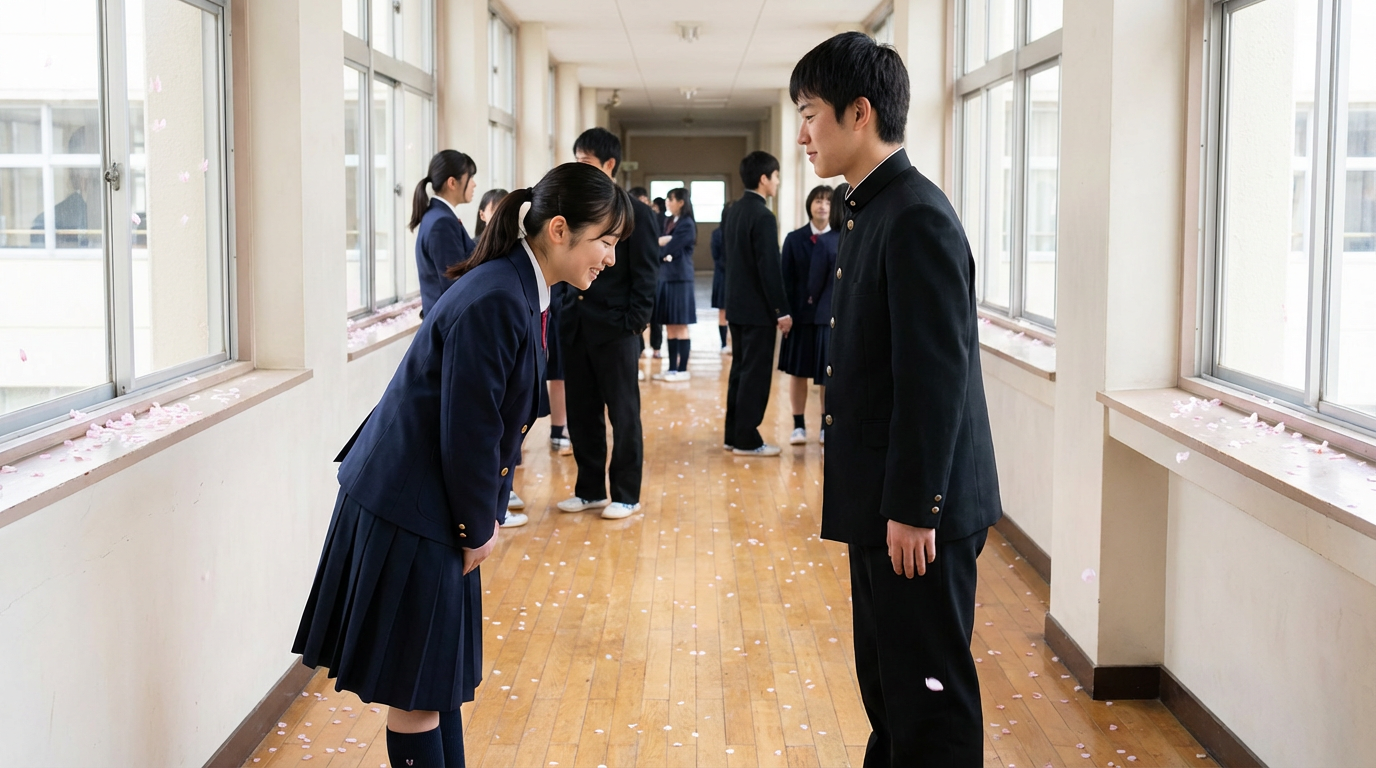
In Japanese schools, "senpai" is the standard way for underclassmen to address upperclassmen:
Examples:
First-year students call second and third-year students "senpai"
"Senpai, could you help me with this assignment?" (先輩、この課題を手伝っていただけますか?)
"Thank you for the advice, senpai!" (アドバイスありがとうございます、先輩!)
2. Workplace and Professional Environments
Japanese companies maintain strong senpai-kohai (junior) relationships:
New employees call senior colleagues "senpai"
It's warmer than using family names but maintains professionalism
Often combined with names: "Tanaka-senpai"
Real-world example:
In Japanese offices, new hires often shadow a "senpai" who mentors them in both work procedures and company culture.
3. Sports Teams and Clubs
Japanese sports culture heavily emphasizes senpai-kohai dynamics:
Junior team members call senior members "senpai"
The relationship involves both respect and mentorship
Senior members are expected to guide and protect juniors
4. Traditional Arts and Crafts
In traditional Japanese disciplines (tea ceremony, martial arts, crafts):
Students who started earlier are "senpai"
The relationship can last a lifetime
Respect for senpai is deeply ingrained
The Counterpart: Kohai (後輩)
Just as "senpai" refers to seniors, "kohai" (後輩) refers to juniors. If someone is your senpai, you are their kohai.
The Senpai's Responsibilities
Being a senpai in Japan comes with significant expectations:
Mentoring kohai in skills and knowledge
Setting an example through proper behavior
Offering protection and support
Taking responsibility for kohai's mistakes
Creating opportunities for kohai to grow
Senpai in Anime vs. Reality
The Anime Trope
Anime often portrays "senpai" relationships dramatically:
The "notice me, senpai" meme
Romantic interest in upperclassmen
Intense loyalty and devotion
The Reality
In real Japan, senpai relationships are typically:
More professional and less dramatic
Built on mutual respect, not obsession
Present in everyday interactions, not just special moments
Sometimes warm, sometimes strictly business
When Anime Gets It Right
Some anime accurately portrays senpai culture:
"Haikyuu!!": Shows realistic senpai-kohai dynamics in volleyball clubs
"My Hero Academia": Features senpai upperclassmen guiding younger students
"March Comes in Like a Lion": Depicts traditional shogi senpai relationships
Cultural Significance of Senpai
Japanese Hierarchy and Harmony
The senpai concept reflects core Japanese values:
Respect for experience: Time invested deserves recognition
Social harmony: Clear roles prevent conflict
Group cohesion: Everyone knows their place
Continuous learning: Knowledge flows from senior to junior
The Senpai-Kohai Bond
This relationship creates a unique dynamic:
For Kohai:
Receive guidance and protection
Learn proper behavior and skills
Have someone to consult
Gain a sense of belonging
For Senpai:
Opportunity to lead and teach
Responsibility to set examples
Satisfaction in helping others grow
Respect and recognition
Common Phrases with Senpai
Here are everyday expressions using "senpai":
Senpai vs. Other Japanese Honorifics
Understanding the differences helps you use the right term:
Senpai vs. Sensei
Use "senpai" when:
The person is senior in your school/company/club
You share the same general status (students, colleagues)
The relationship is peer-based with experience difference
Use "sensei" when:
The person is your teacher, doctor, or recognized expert
There's a clear teacher-student dynamic
You want to show higher respect for their expertise
Senpai in Modern Japan
Changes in Contemporary Society
While senpai culture remains strong, modern Japan has seen evolution:
More Casual Workplaces:
Some modern companies, especially startups and international firms, use first names or English titles, reducing senpai usage.
Generation Gap:
Younger Japanese sometimes find strict senpai-kohai relationships old-fashioned, while older generations maintain traditional expectations.
Persistent Traditions:
Schools, traditional arts, and established companies maintain strong senpai culture.
Senpai in International Context
As Japanese culture spreads globally:
International students in Japan learn senpai customs
Japanese companies abroad adapt the concept
Anime fans worldwide encounter the term
Language learners study the cultural context
How to Practice Using Senpai
For Japanese Language Learners
Watch workplace dramas: Observe how characters use "senpai" in professional settings
Study anime critically: Distinguish between realistic and exaggerated portrayals
Practice with language partners: Role-play school or workplace scenarios
Use AI conversation tools: Practice respectful Japanese with AI tutors
Common Mistakes to Avoid
❌ Calling someone "senpai" who isn't senior → Verify their status first
❌ Being too casual with senpai → Maintain appropriate respect levels
❌ Ignoring the senpai's guidance → Accept mentorship gracefully
❌ Using it for strangers → Establish the relationship context first
Famous Senpai Relationships in Pop Culture
Anime and Manga
"Kimi ni Todoke": The relationship between Sawako and her senpai shows warm mentorship
"Blue Lock": Intense senpai-kohai dynamics in competitive soccer
"Oregairu": Complex senpai relationships in a high school service club
Real Japanese Figures
Many successful Japanese people credit their "senpai" for guidance:
Business leaders mentoring younger entrepreneurs
Athletes thanking senior teammates
Artists acknowledging those who paved the way
Conclusion
"Senpai" is more than just a Japanese word—it's a concept that reflects Japan's deep respect for experience, hierarchy, and mentorship. Whether you're learning Japanese, watching anime, or working with Japanese colleagues, understanding "senpai" helps you appreciate the cultural nuances that make Japanese society unique.
Key takeaways:
Use "senpai" for seniors in your school, company, or organization
It's based on experience and time, not just age
The relationship involves mutual respect and responsibility
Reality is usually less dramatic than anime portrayals
Ready to practice using "senpai" in real Japanese conversations? Try role-playing school or workplace scenarios with AI language tutors who can help you master these cultural nuances.



Comments
No comments yet.
Leave a Comment