

If you've ever watched a K-drama or listened to K-pop, you've probably heard the word "oppa" countless times. But what does it actually mean? And more importantly, when is it appropriate to use it?
Understanding Korean honorifics like "oppa" isn't just about learning vocabulary—it's about grasping the cultural nuances that make Korean communication unique. Whether you're a language learner, a K-pop fan, or simply curious about Korean culture, this guide will help you use "oppa" correctly and confidently.
What Does "Oppa" Actually Mean?
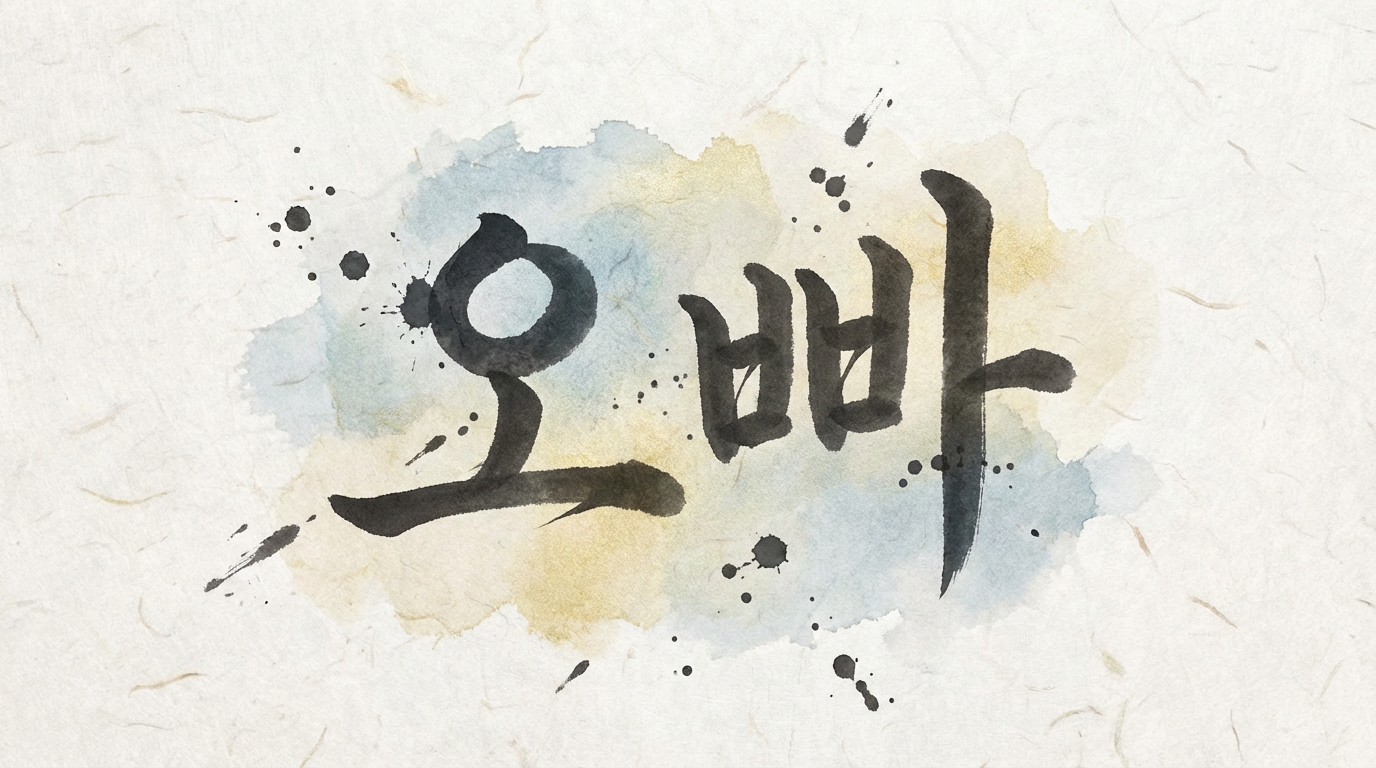
At its most basic level, "oppa" (오빠) is a Korean term used by females to address older males. However, its meaning goes far beyond a simple translation.
The Literal Definition
Hangul: 오빠
Romanization: oppa
Literal meaning: Older brother (used by females)
Usage: Informal but respectful
Unlike English, where "brother" is gender-neutral in terms of who uses it, Korean honorifics are strictly gendered. Only females use "oppa" to address older males. Males addressing older males would use "hyung" (형) instead.
When Should You Use "Oppa"?
The usage of "oppa" depends on several factors: your gender, the other person's gender, age difference, and your relationship.
1. Family Context
In family settings, "oppa" is used by younger sisters to address their older brothers. This is the most traditional and straightforward usage.
Example:
Younger sister: "Oppa, are you home?" (오빠, 집에 있어?)
Older brother: "Yes, I'm in my room." (응, 방에 있어.)
2. Romantic Relationships
In romantic contexts, Korean women often call their boyfriends "oppa" regardless of whether they're actually older brothers. This usage has become extremely common in modern Korean dating culture.
Why do Korean girlfriends call their boyfriends "oppa"?
It expresses affection and closeness
It implies a protective, caring relationship
It's considered cute and endearing
Example:
Girlfriend: "Oppa, I miss you!" (오빠, 보고 싶어!)
Boyfriend: "I miss you too, baby." (나도 보고 싶어, 자기야.)
3. Close Male Friends
Korean women may also use "oppa" for close male friends who are slightly older. However, this depends on the closeness of the friendship and the age gap.
Generally acceptable when:
The male friend is 1-10 years older
You have a close, comfortable relationship
The friend has given permission or seems comfortable with it
4. Service Industry and Casual Settings
In casual settings like restaurants, cafes, or shops, female customers might use "oppa" to address male staff who appear to be around their age or slightly older. This is informal but acceptable in friendly environments.
Example:
Customer: "Oppa, can I get the check?" (오빠, 계산서 주세요.)
Waiter: "Sure, coming right up!" (네, 바로 갖다 드릴게요!)
When You Should NOT Use "Oppa"
Using "oppa" incorrectly can lead to awkward situations or even offense. Here are the main scenarios to avoid:
1. If You're Male
Males never use "oppa" to address other males. If you're male and addressing an older male, use "hyung" (형) instead.
Wrong: Male calling older male friend "oppa"
Right: Male calling older male friend "hyung"
2. Professional Settings
In formal business environments, using "oppa" is inappropriate. Instead, use professional titles like:
"Team leader" (팀장님)
"Manager" (과장님)
"Director" (부장님)
Or simply "Mr. [Last Name]" (씨)
3. With Significantly Older Men
While "oppa" is used for older males, there's an unspoken limit. For men who are significantly older (15+ years), "oppa" might seem too casual or even inappropriate. In such cases, use more respectful terms like:
"Uncle" (아저씨) - for middle-aged men
"Sir" (선생님) - for any adult male in formal contexts
4. With Strangers in Formal Contexts
Using "oppa" with strangers in formal situations can come across as overly familiar or even flirtatious. When in doubt, use neutral, polite language.
The Cultural Significance of "Oppa"
Understanding "oppa" requires understanding Korean age hierarchy and gender dynamics.
Age Hierarchy in Korea
Korean culture places significant importance on age and seniority. The concept of "respecting elders" (존중) is deeply ingrained in society. Honorifics like "oppa" reflect this cultural value by:
Acknowledging age difference
Showing respect while maintaining closeness
Establishing relationship boundaries
The K-Pop Influence
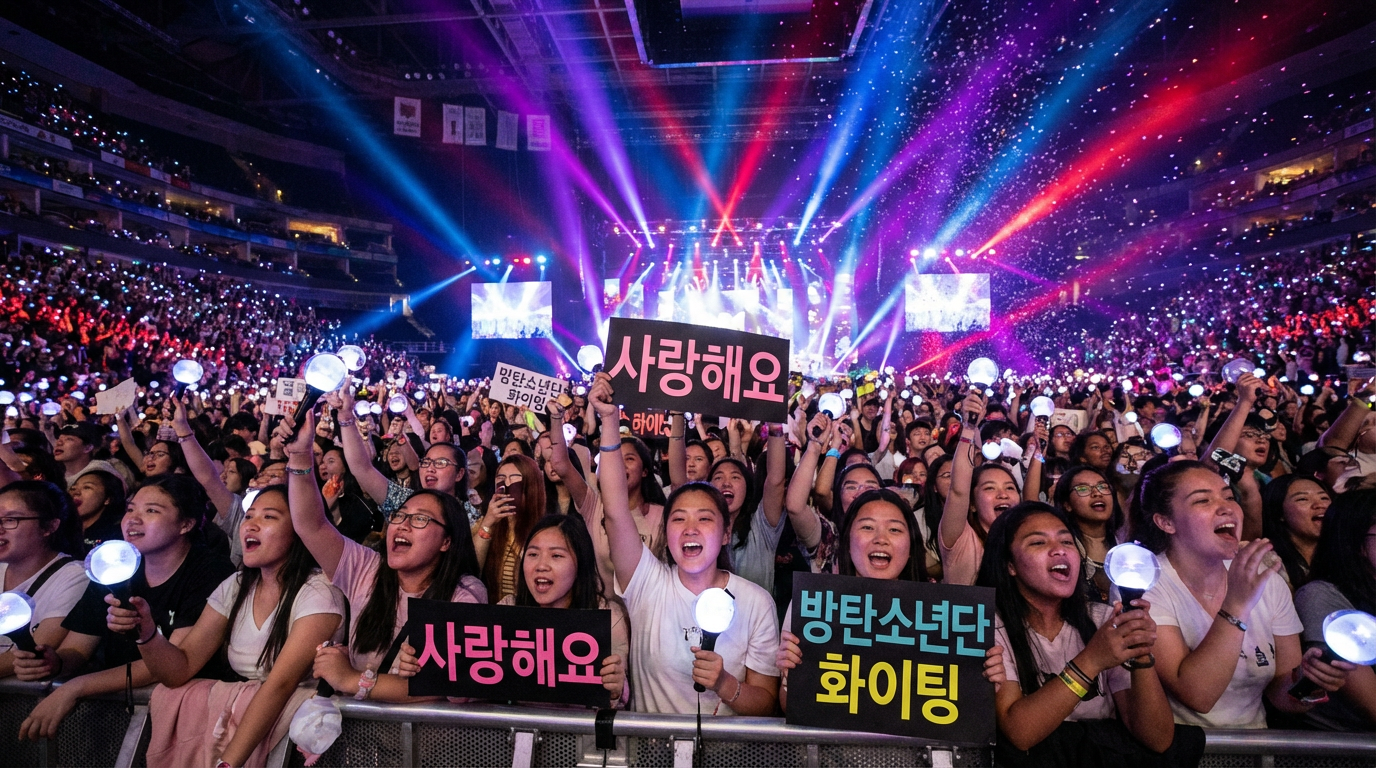
K-pop has dramatically influenced how "oppa" is perceived globally. International fans often use "oppa" when referring to their favorite male idols, regardless of whether they're actually speaking to them directly.
Common usage among K-pop fans:
"My oppa is so talented!"
"Which oppa is your bias?"
"Oppa looked amazing at the concert!"
While this usage is accepted within fan communities, it's important to remember that in actual Korean conversation, "oppa" is used face-to-face, not as a third-person reference.
Common Mistakes to Avoid
Mistake 1: Using "Oppa" for All Older Men
Not every older male should be called "oppa." Consider the context, relationship, and age gap before using this term.
Mistake 2: Calling Celebrities "Oppa" in Person
If you ever meet a Korean celebrity in person, calling them "oppa" immediately might be too forward unless:
You're at a fan meeting where such interaction is expected
The celebrity has invited fans to use casual speech
You're of similar age and the setting is informal
Mistake 3: Ignoring the Gender Rule
Remember: only females use "oppa." If you're male, use "hyung" instead.
Mistake 4: Using "Oppa" in Written Communication
"Oppa" is primarily a spoken term. In formal writing, emails, or business communication, stick to proper titles and names.
Alternatives to "Oppa"
Depending on the situation, you might want to use these alternatives:
Practical Tips for Using "Oppa"
Start with observation: Watch how Koreans around you use honorifics before trying yourself.
When in doubt, ask: If you're unsure whether to use "oppa," it's okay to ask, "Should I call you oppa?" (오빠라고 불러도 돼요?)
Pay attention to reactions: If someone seems uncomfortable with "oppa," switch to more neutral terms.
Practice with friends: Korean language exchange partners can help you practice using "oppa" naturally.
Use language learning apps: Apps like TalkMe offer AI-powered conversation practice where you can practice Korean honorifics in a safe, judgment-free environment.

FAQ About "Oppa"
Q: Can I use "oppa" if I'm not Korean?
A: Yes, but be mindful of context. Using it correctly shows cultural awareness; using it incorrectly might seem awkward.
Q: Is "oppa" only for romantic relationships?
A: No, it's used for brothers, friends, and boyfriends. The meaning depends on context.
Q: What if someone asks me not to call them "oppa"?
A: Respect their preference immediately. Some people prefer more neutral terms or their name.
Q: Can "oppa" be used platonically?
A: Absolutely! Many Korean women use "oppa" for close male friends with no romantic connotation.
Q: How is "oppa" different from "hyung"?
A: "Oppa" is used by females for older males; "hyung" is used by males for older males.
Conclusion
"Oppa" is more than just a word—it's a window into Korean culture, relationships, and social dynamics. By understanding when and how to use it, you're not just learning vocabulary; you're gaining insight into how Koreans navigate age, gender, and intimacy in their daily lives.
Whether you're learning Korean for travel, work, or K-pop appreciation, mastering honorifics like "oppa" will help you communicate more naturally and show respect for Korean culture.
Ready to practice your Korean honorifics? Try using AI conversation tools to practice real-life scenarios where you'd use "oppa" and other Korean terms. The more you practice, the more natural it will become!

Comments
No comments yet.
Leave a Comment