
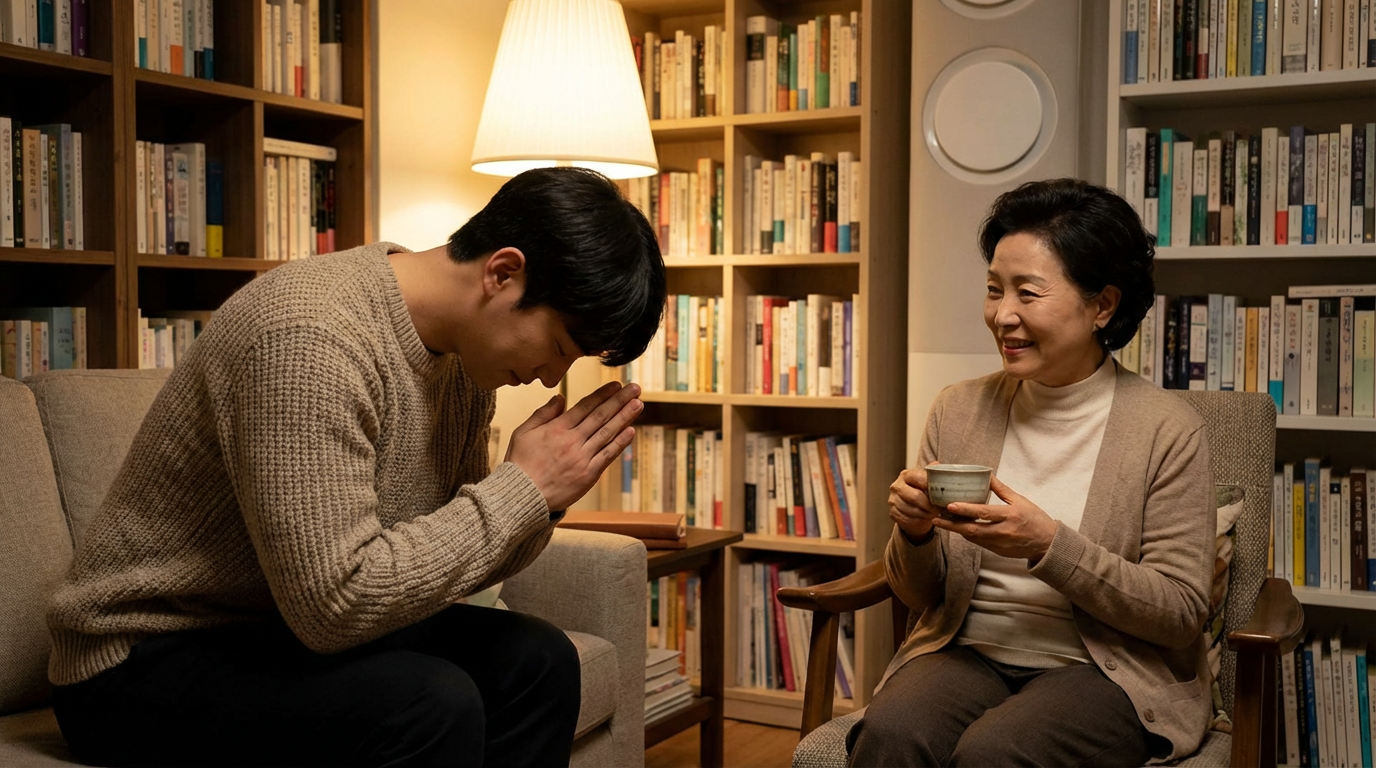
If you've ever watched a Korean drama or variety show, you've probably heard male characters call each other "hyung." But what does hyung mean in Korean, and why is it such an essential part of Korean culture?
In this guide, we'll explore everything you need to know about "hyung" (형)—from its basic meaning to the cultural nuances that make it much more than just a word.
What Does Hyung Mean?
"Hyung" (형) is a Korean honorific term used by males to address older males. It's the male equivalent of "noona," which females use for older males.
The Basic Definition
Literal meaning: Older brother
Usage: Male speakers addressing older males
Age gap: Typically 1-10+ years older
Formality level: Informal but respectful
The Hangul Writing
"Hyung" is written as 형 in Korean hangul. The pronunciation is closer to "hyoong" with a slight emphasis on the second syllable.
When Should You Use Hyung?
1. Family Relationships
In families, younger brothers call their older brothers "hyung" instead of using their names. This shows respect while maintaining a close, brotherly relationship.
Examples:
"Hyung, are you home?" (형, 집이야?)
"Can you help me with this, hyung?" (이거 좀 도와줘, 형)
2. Close Male Friends
Male friends with an age difference use "hyung" to acknowledge the age hierarchy while staying close. It's common among:
School friends
College classmates
Work colleagues
Gaming buddies
Real-life example:
In the popular variety show "Running Man," younger male cast members often call older members "hyung" during games and challenges.
3. Workplace and Social Settings
In professional environments, younger male employees might call senior male colleagues "hyung" instead of their job titles, creating a friendlier atmosphere while still showing respect.
When NOT to Use Hyung
Understanding when NOT to use "hyung" is just as important:
1. Female Speakers
Females should never use "hyung." If you're female and addressing an older male, use "oppa" instead.
2. Formal Business Settings
In very formal business meetings or when addressing high-ranking executives, use job titles (사장님, 부장님) rather than "hyung."
3. Significant Age Gaps
If someone is 15+ years older, "hyung" might feel too casual. Consider using "seonbae" (senior) or their title instead.
4. Strangers
Don't call a stranger "hyung" until you've established some rapport or confirmed the age difference.
Cultural Nuances: What Hyung Really Means
The Responsibility of Being Hyung
Being called "hyung" comes with expectations. In Korean culture, the hyung is expected to:
Look out for their younger brothers/friends
Offer guidance and advice
Sometimes pay for meals (the "hyung" often treats!)
Be a role model
The Bond Between Hyung and Dongsaeng
The relationship between a hyung and his dongsaeng (younger brother/friend) is special. It's a bond built on:
Respect from the younger person
Protection and care from the older person
Shared experiences and loyalty
This dynamic is beautifully portrayed in many K-dramas where the hyung character often makes sacrifices for his younger siblings.
Common Phrases with Hyung
Here are some everyday expressions you'll hear:
Hyung in K-Pop and K-Dramas
Famous Hyung Relationships in K-Pop
Many K-pop groups have iconic hyung-dongsaeng dynamics:
BTS:
Jin (the oldest) is "hyung" to all other members
The members often talk about how Jin takes care of them as the group's hyung
EXO:
Xiumin, being the oldest, is hyung to the other members
The group is known for their close brotherly relationships
SEVENTEEN:
With 13 members, the hyung line (S.Coups, Jeonghan, Joshua, Jun, Hoshi, Wonwoo, Woozi) has a special responsibility
K-Drama Examples
"Reply 1988" (응답하라 1988):
The drama beautifully portrays the hyung relationships among the neighborhood boys, showing how the older boys look out for the younger ones.
"Itaewon Class" (이태원 클라쓰):
Park Sae-ro-yi's relationships with his hyungs show both the positive and complex sides of these bonds.
Related Korean Honorifics
Understanding "hyung" is easier when you know the full system:
How to Practice Using Hyung
For Language Learners
Watch K-dramas: Pay attention to how male characters address each other
Listen to K-pop interviews: Notice how members talk to their older groupmates
Practice with Korean friends: If you have Korean male friends, ask if you can practice using the term
Use language apps: Apps like TalkMe let you practice these honorifics with AI tutors
Common Mistakes to Avoid
❌ Using "hyung" as a female → Use "oppa" instead
❌ Calling someone "hyung" immediately → Build rapport first
❌ Using it in very formal settings → Match the formality level
❌ Forgetting the age check → Always confirm someone is actually older
The Deeper Meaning: Why Hyung Matters
The concept of "hyung" reflects core Korean cultural values:
1. Hierarchy with Warmth
Korean culture respects age hierarchy, but "hyung" shows this doesn't have to be cold or distant. It combines respect with genuine affection.
2. Collective Identity
By using "hyung," you acknowledge that you're part of a relationship network—not just an individual.
3. Mutual Obligation
The term creates a two-way street: respect from the younger person, care from the older person.
Conclusion
"Hyung" is much more than just "older brother" in Korean. It's a term that carries cultural weight, emotional bonds, and social expectations. Whether you're learning Korean, watching K-dramas, or planning to visit Korea, understanding "hyung" will help you appreciate the depth of Korean social relationships.
Remember:
Only males use "hyung"
Use it for older males you're close to
It combines respect with brotherly affection
The relationship is a two-way street of respect and care
Want to practice using "hyung" in real conversations? Try talking with AI language tutors who can help you master these cultural nuances naturally.
Ready to dive deeper into Korean culture and language? Check out our guides on other Korean honorifics like noona, unnie, and sunbae.
What's your favorite hyung moment from a K-drama or K-pop group? Share in the comments!


Comments
No comments yet.
Leave a Comment