
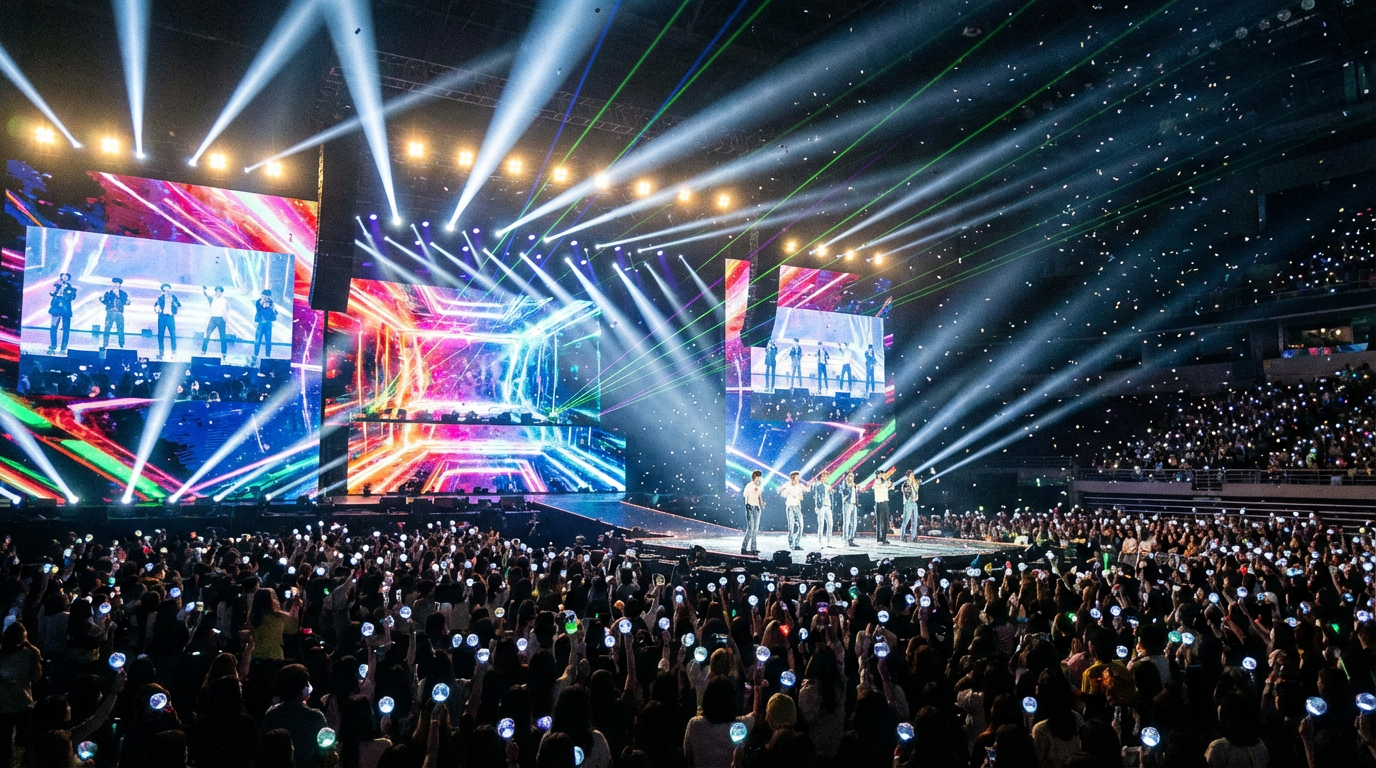
If you've ever scrolled through Twitter during a K-pop comeback season, you've probably seen fans scream "Comeback!" with an excitement that feels completely different from what the word usually means in English. In Western music, a "comeback" usually refers to an artist returning to the spotlight after a long hiatus — think of Celine Dion making her grand return after years away. But in K-pop, the word carries an entirely different weight.
What does comeback mean in K-pop? In the world of Korean pop, a comeback (컴백, keombaek) is simply the release of new music and promotional content by an artist or group. It doesn't imply any prior absence or struggle — it's just the exciting moment when fresh songs, albums, music videos, and variety show appearances arrive all at once, like a planned cultural event.
This distinction is one of the first things every international fan learns, and understanding it unlocks a deeper appreciation for how K-pop operates as both a music industry and a global community.
Why "Comeback" Is Different in K-pop Culture
The Korean entertainment industry runs on a tightly scheduled release calendar that makes the Western album cycle look leisurely by comparison. K-pop groups typically release new music every 6 to 12 months, and each release is treated as a major production event — not just a business milestone, but a moment of collective joy for the fan community.
Here's why the K-pop definition of comeback diverges so sharply from the Western one:
Frequency: K-pop groups release music much more often. A group can have 2-3 "comebacks" per year, each with its own mini-album, concept, and promotional cycle.
Planned strategy: Comebacks are strategically timed. Agencies study market conditions, fan demand, competition from other groups, and global events before locking in a release date.
Cultural event: The word "comeback" reflects the K-pop industry's view that each new release is the group's return to the public eye — a deliberate, scheduled appearance on everyone's radar.
Fan investment: The term acknowledges that fans have been eagerly waiting. The group "comes back" to them with something new and exciting.
So when a K-pop fan says "My ult group is having a comeback next week," they're not saying the group is making a dramatic return after retirement. They're saying: new music is dropping, and the content storm is about to begin.
컴백 (Comeback) vs. 재데뷔 (Redebut): What's the Difference?
Two terms that often confuse new K-pop fans are 컴백 (comeback) and 재데뷔 (re-debut, or jae-daebyu).
컴백 (Comeback): A group's regular new music release. They never left — they're just releasing new content.
재데뷔 (Redebut): A more significant event, often used when a group that has officially disbanded or gone on a long hiatus returns with a new identity, new members, or a new concept. The group is essentially "debuting again."
For example, when BTS members pursued solo careers after their official group hiatus announcement in 2022, their subsequent solo releases were solo 컴백s — individual comebacks — not 재데뷔. But if a disbanded group reformed under a new agency and released music under a slightly new concept, that would be a 재데뷔.
The Anatomy of a K-pop Comeback
Understanding what a comeback means in K-pop also means understanding the ecosystem that surrounds it. A single K-pop comeback is far more than just a song — it's a full multimedia event that unfolds over weeks or even months.
The Pre-Comeback Tease
The excitement begins weeks before the actual release. Agencies drop teasers — individual member concept photos, short video clips, and mysterious countdowns. Fans analyze every image for hidden clues: new hair colors, different fashion styles, background locations. This period is called the teaser phase, and it's designed to build anticipation to a fever pitch.
Common pre-comeback content includes:
Concept photos: Styled individual and group shots that hint at the album's theme
Video teasers: Short clips featuring snippets of choreography, set design, or dialogue
Track list reveals: The list of songs on the album, often with intriguing titles
Individual member teasers: Special content for each member to ensure every fandom segment is catered to
The Title Track and Music Video
The centerpiece of any comeback is the title track — the main song chosen for promotion — accompanied by a high-production music video (MV). K-pop music videos are notoriously cinematic, often running 4-7 minutes with complex storylines, stunning sets, and jaw-dropping choreography sequences.
Popular title tracks from notable K-pop comebacks include:
BTS — Dynamite (2020): A disco-pop explosion that became a global phenomenon
BLACKPINK — How You Like That (2020): Broke YouTube records on release day
Stray Kids — God's Menu (2020): Showcased the group's self-producing powerhouse status
NewJeans — Super Shy (2023): A refreshing, summery take on Y2K aesthetics
aespa — Savage (2021): Blended sci-fi worldbuilding with powerful girl-crush energy
The Comeback Show / Showcase
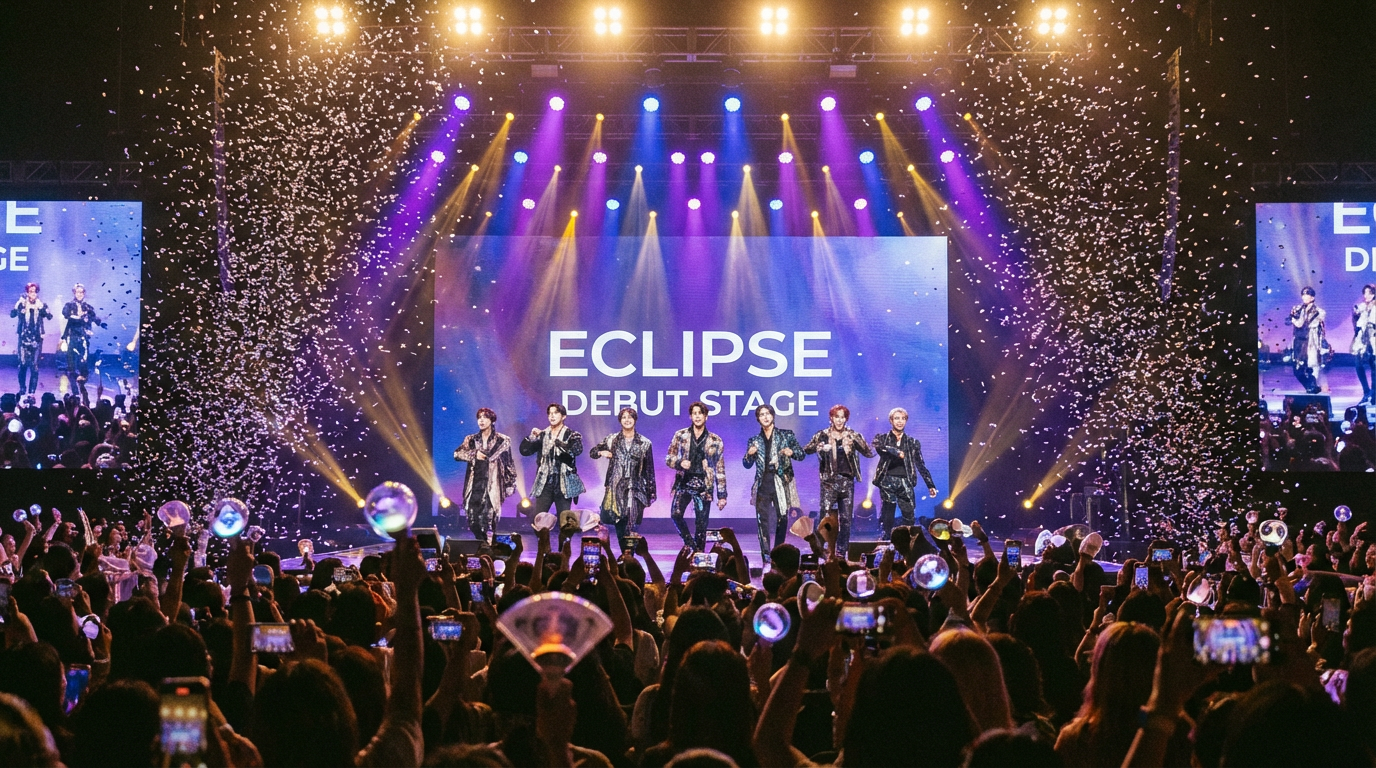
Many groups hold a comeback showcase — a live event where they perform the new songs for the first time. These showcases are often streamed live for international fans who can't attend in person. Some groups also appear on music shows like Music Bank, Inkigayo, and Show! Music Core to perform their title track live during the promotion period.
Album Variants and Merchandise
K-pop agencies release multiple album versions — different packaging, photo books, photocards, and posters for each version. Collectors buy multiple copies specifically for the random photocards. This creates a collector's market and generates significant revenue for the agency, while also boosting album sales numbers that contribute to music show wins.
How K-pop Fans Celebrate a Comeback
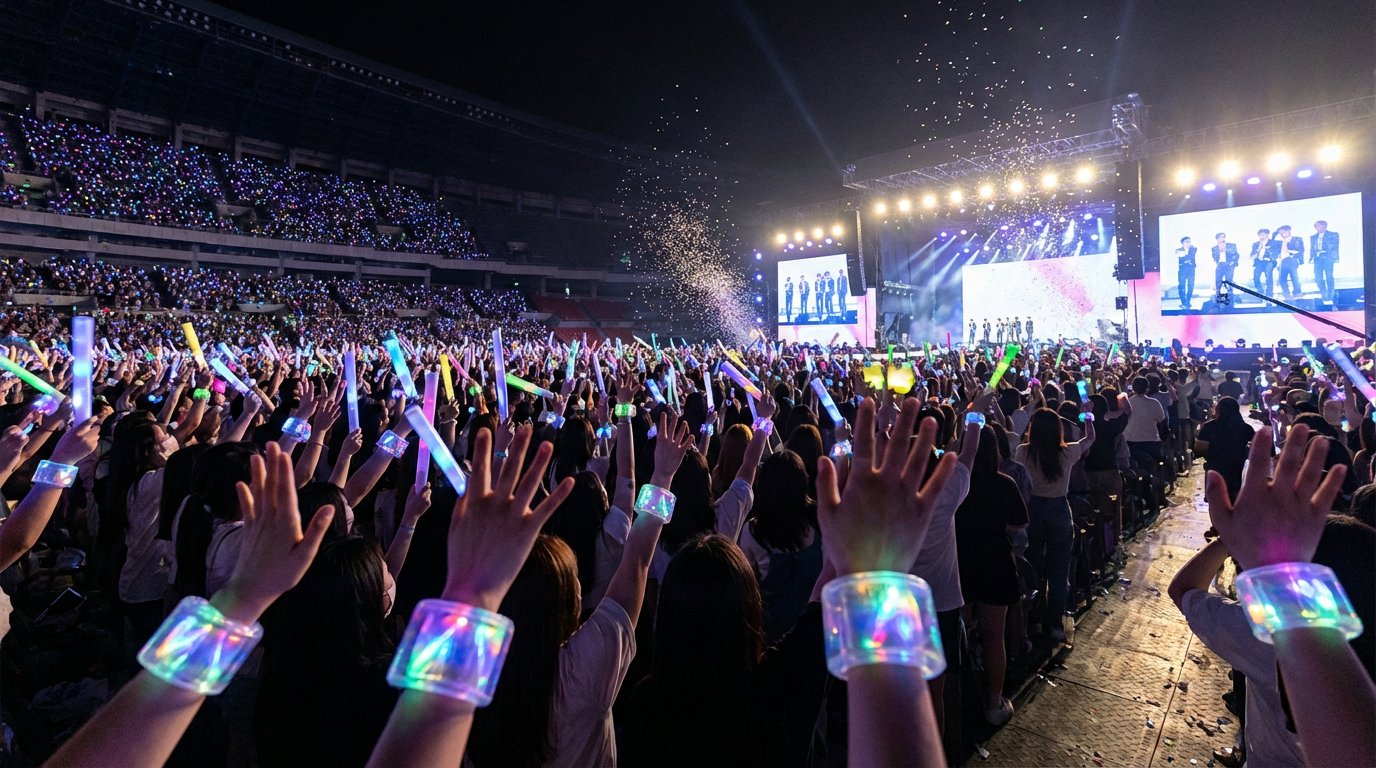
The fan response to a comeback is one of the most vibrant and organized phenomena in music culture. Here's what typically happens:
Streaming and Views
Fans stream the music video obsessively in the hours and days after release. K-pop fandoms are famous for coordinating mass streaming campaigns — organizing fans across time zones to watch the MV simultaneously and push view counts to record-breaking numbers. Within 24 hours of a major group's comeback, the music video can easily surpass 50 million views.
Music Show Wins
One of the most coveted achievements in K-pop is winning on a music program. Fans stream the title track, vote on companion apps, and buy physical albums (multiple copies) to earn points toward a win. When a group achieves their first win with a new song, it's a tearful, emotional moment for both the artists and the fans.
Useful Korean expressions during comeback season:
컴백 축하해요! (keombaek chukhahaeyo) — Congratulations on your comeback!
역대급 컴백이다! (yeokdaejung keombaekida!) — This is an epic comeback!
인기가요 1위 했어요! (ingigayo ilwi haesseoyo!) — They got 1st place on Inkigayo!
Fan Projects
Organized fandoms often create fan projects to celebrate a comeback — planning group streaming events, buying ad space in public places, or even funding charitable donations in the group's name. These projects demonstrate the organized, community-driven nature of K-pop fandom.
Unboxing and Unboxing Content
YouTube creators and casual fans alike post unboxing videos when their album arrives, showing off the packaging, photocards, and posters. This content fuels further interest and drives more album sales.
Related Korean Terms Every K-pop Fan Should Know
Understanding the K-pop comeback culture is even richer when you know the language behind it. Here are essential terms:
How K-pop Comback Culture Helps You Learn Korean
Here's the unexpected benefit of diving into K-pop comeback culture: it's one of the most effective and enjoyable ways to learn Korean.
Immersive Vocabulary Building
Every comeback introduces new vocabulary in context. When you watch a variety show interview during promotion season, you hear natural conversational Korean. When you read fan discussions, you encounter slang and informal expressions. The key is contextual learning — you absorb words and phrases while enjoying content you love.
Common Korean phrases you'll hear during comeback season:
이번 컴백 기대돼요! (ibeon keombaek gidaedoeyo) — I'm excited for this comeback!
신곡 들었어요? 너무 좋아요! (singok deureosseoyo? neomu joayo!) — Have you heard the new song? It's so good!
뮤비 퍼st! (myuvi peosteo!) — Let's stream the MV!
무대 찰떡이에요! (mudae chartteogi-ieyo!) — The performance is perfect!
Cultural Context Deepens Understanding
Language and culture are inseparable. Understanding why K-pop operates on a comeback cycle — the competitive industry structure, the fan investment model, the idol training system — gives you a richer grasp of how Korean people communicate and what they value.
Motivation That Lasts
The emotional connection you build with K-pop content creates a powerful learning motivation. When you're emotionally invested in understanding what your favorite idol said in that interview, you naturally want to learn. That's intrinsic motivation at its finest.
TalkMe: Practice Korean Through Real Conversations
If you want to go beyond passive learning and actually speak Korean, TalkMe is the perfect companion to your K-pop journey. TalkMe connects you with AI conversation partners who can help you practice Korean through dynamic, topic-driven dialogues — perfect for discussing your favorite comebacks, explaining K-pop culture to friends, or even role-playing as a K-pop interviewer.
With TalkMe, you can:
Practice describing K-pop concepts in Korean with an AI tutor
Learn vocabulary and grammar in the context of music and pop culture
Get instant feedback on your pronunciation and sentence structure
Have spontaneous conversations about your favorite groups
Whether you're saying "BTS의 새 앨범이 나왔어요" (BTS's new album came out) or explaining the difference between a 컴백 and a 재데뷔, TalkMe helps you build the confidence to use Korean in real situations.
Start your Korean learning journey at blog.talkme.ai or visit talkme.ai to explore AI-powered language practice.
Frequently Asked Questions
Is "comeback" always negative in Korean?
No — in K-pop, 컴백 (comeback) is an exciting, positive term. It simply means a new music release. In everyday Korean conversation, 컴백 can also describe someone's return to a previous successful state (similar to the Western meaning), but in the K-pop context, it's always good news.
How often do K-pop groups have comebacks?
It varies by group and agency. Established groups like BLACKPINK might release new music 2-3 times per year, while smaller groups might have 1-2 comebacks annually. The timing is carefully planned to maximize chart performance and avoid competition with other major releases.
What does "cbang" mean in K-pop?
Cbang (시방, sibang) is K-pop fan slang for "waiting room" or the pre-performance space. Fans sometimes share "cbang updates" showing what idols are doing in their waiting rooms before a music show performance.
Can a solo artist have a comeback?
Absolutely. Solo artists likeIU, Lim Young-woong, andaespa's Karina all have comebacks. The term applies to any artist releasing new music, regardless of whether they're a group or solo performer.
What's the difference between a mini-album and a full album?
A mini-album (EP in Western terms) typically contains 4-7 songs, while a full album has 8 or more tracks. K-pop groups often release mini-albums between full album cycles to maintain momentum and keep fans engaged.
How long does a K-pop comeback promotion last?
Promotions typically last 2-4 weeks, during which the group appears on multiple music shows, variety programs, and radio broadcasts. After the promotion period ends, the group usually moves on to preparing for their next project.
Why do fans buy multiple albums?
Many K-pop agencies include random photocards in each album copy. Since each album version contains different photocards, fans buy multiple copies (sometimes dozens) to collect all the cards. Album sales also contribute to music show win calculations, giving fans a tangible way to support their favorites.
Your 30-Day K-pop Korean Learning Plan
Ready to use your K-pop passion to build real Korean skills? Here's a structured plan:
Week 1: Comeback Vocabulary
Learn the 20 essential K-pop terms in Korean (컴백, 타이틀곡, 앨범, 음원, etc.)
Watch comeback announcement videos with Korean subtitles
Practice saying each term with correct pronunciation
Week 2: Fan Communication
Learn to read Korean fan posts on Twitter and fan cafe sites
Master 15 phrases for reacting to new releases (역대급, 찰떡, etc.)
Write a short Korean comment about a comeback you've watched
Week 3: Music and Lyrics
Study the Korean lyrics of a title track you love
Look up 30 new vocabulary words from the song
Practice singing along with the Korean lyrics
Week 4: Conversational Korean
Use TalkMe to have a conversation about K-pop in Korean
Practice describing your bias group's latest comeback
Write a short Korean paragraph summarizing a comeback event
Conclusion
What does comeback mean in K-pop? Now you know — it's not about returning from a slump or making a dramatic reappearance. It's the celebration of new music, the organized excitement of a fan community, and the heartbeat of an industry that never stops moving forward.
Understanding the K-pop comeback cycle is more than cultural trivia. It's a window into how Korean pop culture operates, how fan communities form and mobilize, and how language evolves in the digital age. Each 컴백 is a shared experience that connects millions of fans worldwide — and now you're part of that conversation.
Whether you're streaming your bias group's new MV at 3 AM or geeking out over concept photos on a forum, you're participating in a global cultural phenomenon. And with a little Korean language knowledge, that experience becomes even richer.
Ready to take your Korean to the next level? Start practicing with TalkMe at talkme.ai and explore more learning resources at blog.talkme.ai.

Comments
No comments yet.
Leave a Comment