
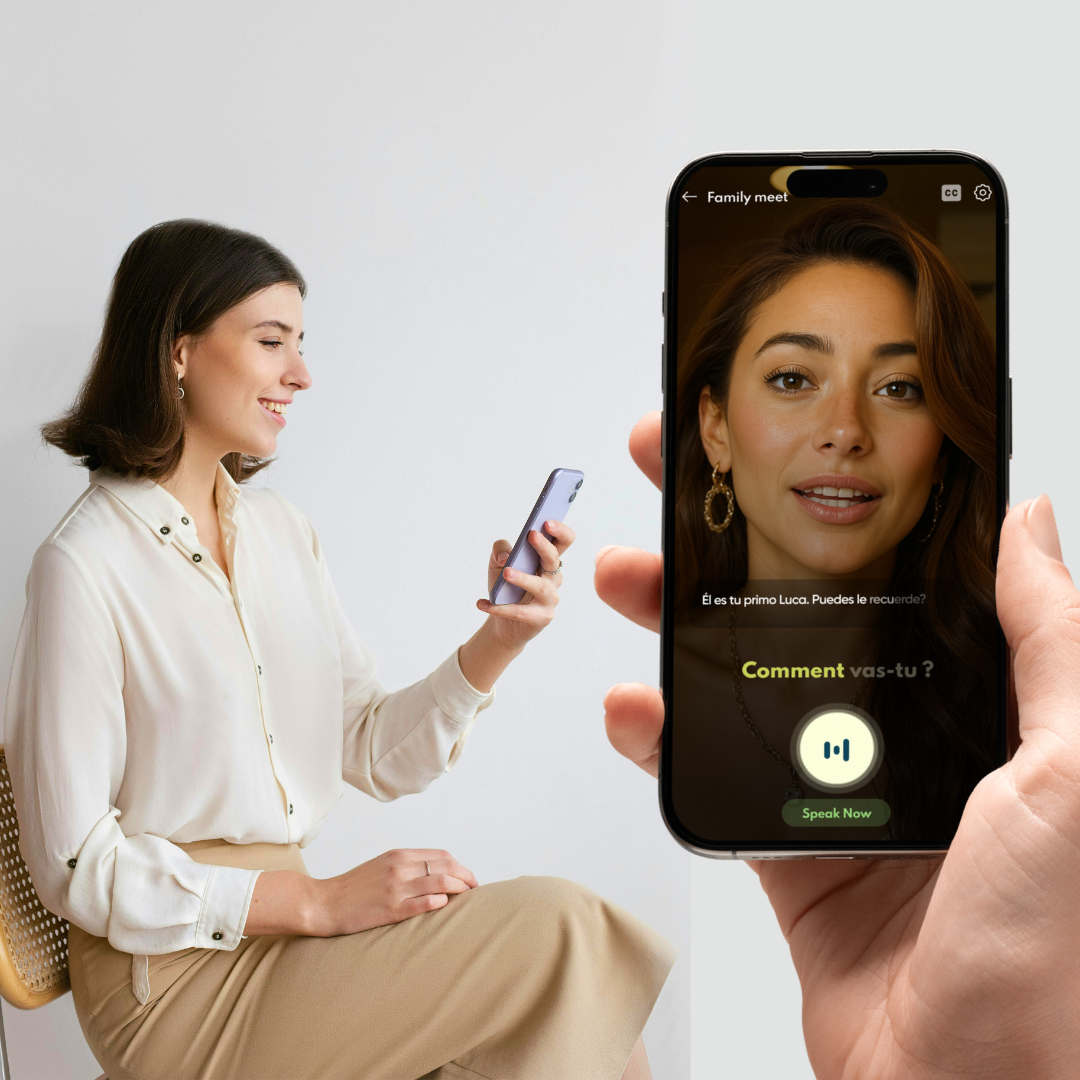
Many English learners can read individual letters correctly, yet still struggle with pronunciation. One of the biggest reasons is confusion between long and short vowel sounds. A single letter can produce multiple sounds, and choosing the wrong one can change the meaning of a word entirely.
This issue shows up in everyday conversations—mixing up ship and sheep, or full and fool can lead to misunderstandings, awkward pauses, or the need to repeat yourself.
What Are Long and Short Vowel Sounds?
In English, vowels (a, e, i, o, u) can be pronounced in two main ways:
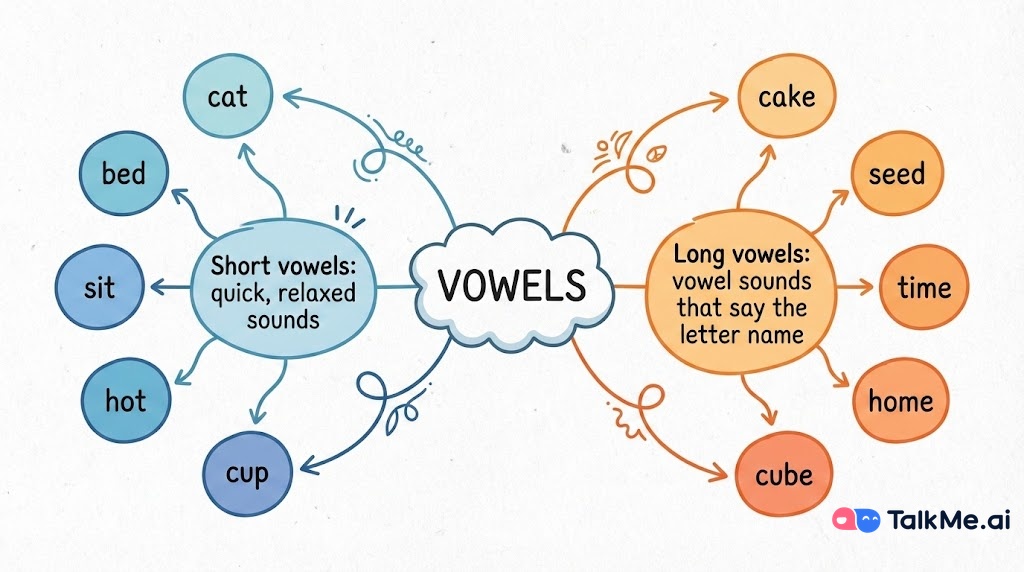
Short vowels: quick, relaxed sounds
cat, bed, sit, hot, cup
Long vowels: vowel sounds that say the letter name
cake, seed, time, home, cube
Here’s a simple comparison:
Understanding these patterns is essential for clear pronunciation and better listening skills.
Where Do Learners Get Confused?
Most confusion comes from three main factors:
1. Similar Spelling, Different Sounds
Words like rid and ride differ by one letter, but the vowel sound changes completely.
2. Silent “E” Patterns
Adding an “e” at the end often turns a short vowel into a long one:
cap → cape
bit → bite
hop → hope
3. Lack of Listening Practice
Many learners study vocabulary visually but don’t spend enough time hearing the differences in real conversations.
How to Master Long and Short Vowel Sounds: Step-by-Step
Step 1: Learn the Core Sound Pairs 🔤
Start with common minimal pairs:
ship / sheep
bit / bite
full / fool
cap / cape
Say them slowly and notice how your mouth shape changes.
Step 2: Practice With Minimal Pair Lists 📋
Group words by sound and practice them daily:
Short I: sit, fit, ship, slip
Long I: site, fight, sheep, sleep
Read them aloud and record yourself.
Step 3: Use Listening and Repetition Drills 🎧
Listen to native speakers and repeat immediately. Focus only on the vowel sound, not the whole sentence.
Apps like TalkMe AI can help because they simulate real conversations and give instant feedback on pronunciation, letting you practice these sound differences in realistic scenarios.
Step 4: Read Simple Texts Aloud 📖
Children’s books or beginner stories are perfect because they use clear phonics patterns. Reading aloud helps connect spelling to sound.
Step 5: Practice in Real Conversations 💬
The real test is speaking spontaneously. Role-play situations like:
Ordering coffee
Asking for directions
Introducing yourself
Interactive tools such as TalkMe AI allow you to practice these situations with an AI tutor that adjusts to your level.
Practical Tips and Common Mistakes
Helpful Tips
Exaggerate the difference at first; clarity is more important than sounding natural.
Watch your mouth in a mirror to check tongue and lip positions.
Practice a few pairs every day instead of many at once.
Common Mistakes
Relying only on spelling rules.
Skipping listening practice.
Speaking too fast before mastering the sounds.
Using a speaking-focused tool like TalkMe AI can help avoid these mistakes because it combines listening, speaking, and role-play instead of just memorization.
Quick Visual Summary
Frequently Asked Questions
Why are English vowel sounds so confusing?
English spelling comes from multiple languages, so the same letter can represent different sounds.
How long does it take to fix vowel mistakes?
With daily focused practice, most learners notice improvement in a few weeks.
Is listening or speaking more important?
Both are essential. You need listening to recognize sounds and speaking to produce them correctly.
Can an app really help with pronunciation?
Yes, especially apps that focus on conversation. Tools like TalkMe AI provide interactive speaking practice and immediate feedback, which is more effective than passive learning.
Key Takeaways and Next Steps
Long and short vowels change word meanings.
Minimal pairs are the fastest way to hear the difference.
Consistent listening and speaking practice is essential.
Real conversation practice accelerates improvement.
If you want structured speaking practice with instant feedback, try TalkMe. Search for TalkMe on the App Store or Google Play, download it, and start practicing real-life conversations today.




Comments
No comments yet.
Leave a Comment