What "Unnie" Means in Korean & When to Use It
If you’ve ever watched a K-drama or followed a K-pop group, chances are you’ve heard the term “unnie” more than once.
 TalkMe Blog
TalkMe
TalkMe Blog
TalkMe
Insights, stories, and practical tips to help you speak confidently across languages.

If you’ve ever watched a K-drama or followed a K-pop group, chances are you’ve heard the term “unnie” more than once.

Whether you're traveling to France, chatting with a French friend, or learning the language for fun, knowing how to say goodbye in French is essential. In French culture, the way you say goodbye can leave a lasting impression. It's not just about parting ways—it's a gesture of politeness, respect, and connection.

Unlike English, many French letters don’t sound how they look. For instance, the letter G sounds like “J” in English, while J sounds like “G.” Add in the French-specific vowels and nasal sounds, and it’s no surprise learners struggle. But with the right tools and practice, mastering the French alphabet becomes not only doable but enjoyable.
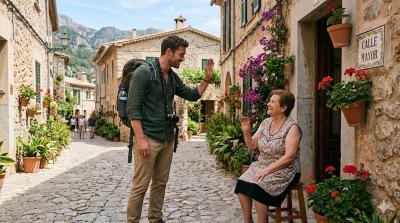
When learning a new language, the first thing most people want to know is how to say "hi." It’s the gateway to conversation, a sign of respect, and a way to connect across cultures. In Spanish-speaking countries, greetings are especially important—they set the tone for any social or professional interaction. Saying “hi” correctly can make a great first impression, whether you're chatting with friends in Mexico, emailing a client in Spain, or making small talk in a Colombian café.

From the global sensation of BTS to the emotional rollercoasters of K-dramas, Korean pop culture has captured the hearts of fans worldwide. With this cultural wave, many Korean words and phrases have made their way into everyday conversations — and one of the most commonly heard is "oppa."

Did you know that animals speak different “languages” depending on where you are in the world? The animal sounds list in Japanese offers a fascinating glimpse into how cultures hear and interpret the voices of nature.